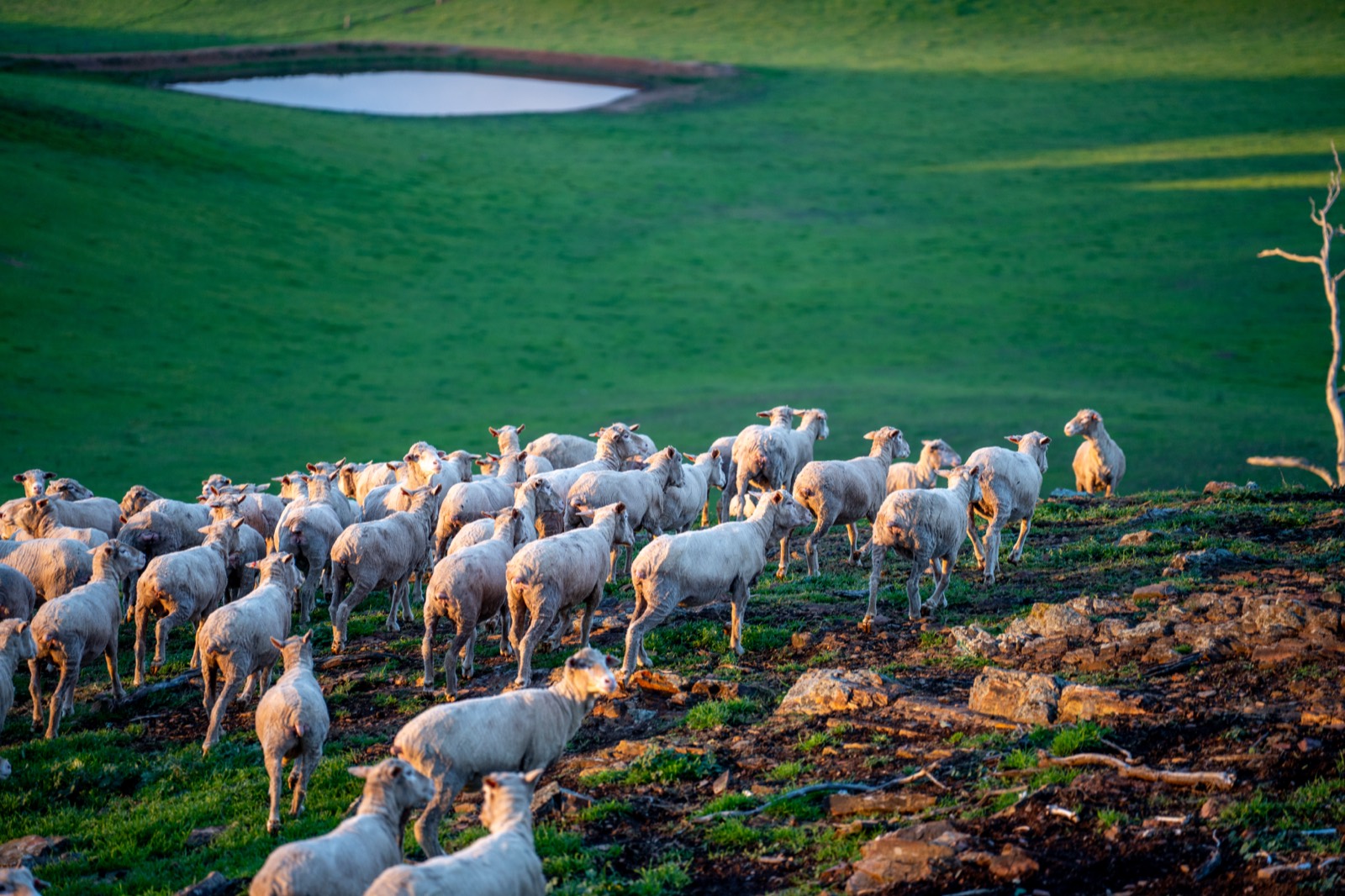
If you bring on seasonal workers each year, whether it's harvest, shearing, or fruit picking, you already know how much coordination goes into it. What a lot of farm operators don't realise is that "seasonal" doesn't mean simpler from a safety and employment perspective. In some ways it's harder.
Here's why.
Your safety obligations don't shrink for short-term workers
Whether someone is with you for three days or three months, you are still responsible for making sure they can do the work safely. That means a proper induction. That means making sure they know the hazards on your property. That means confirming they can actually operate the equipment you're pointing them at.
This is where labour hire arrangements often come unstuck. There's an assumption that the labour hire company handles safety obligations. They don't, not entirely. As the leader of the business running the property, you hold significant responsibility for anyone working on your land, regardless of who's paying them.
A proper induction doesn't need to be long. It needs to cover the site, the specific hazards for the work they're doing, what to do in an emergency, and how to flag something that doesn't feel right. Write it down. Get them to sign it.
The pay situation is also messier than it looks
Most seasonal agricultural workers are covered by one of two pay awards depending on the work they're doing. Both have specific rules around casual rates, minimum hours, and allowances. Getting this wrong isn't just an ethical problem. It's a legal one, and underpayments can be claimed back years after the fact.
New and young workers are your highest-risk group
Workplace safety data consistently shows that new workers, especially younger ones in their first weeks, are disproportionately involved in incidents. They haven't built up the instinct for farm hazards, and they often won't ask questions because they don't want to look inexperienced.
If you're heading into a busy season, sort this now, not the morning they arrive.